

Artificial Intelligence (AI) has become a standard tool for schoolwork, research, and daily communication, significantly improving efficiency. Students use AI to research topics faster and organize their ideas, professionals rely on it to draft documents, analyze data, and streamline repetitive tasks, and families use it for everything from planning meals to getting answers to everyday questions. AI-powered tools have also made it easier to access information and learn new skills, making daily life more convenient for many Filipino households.
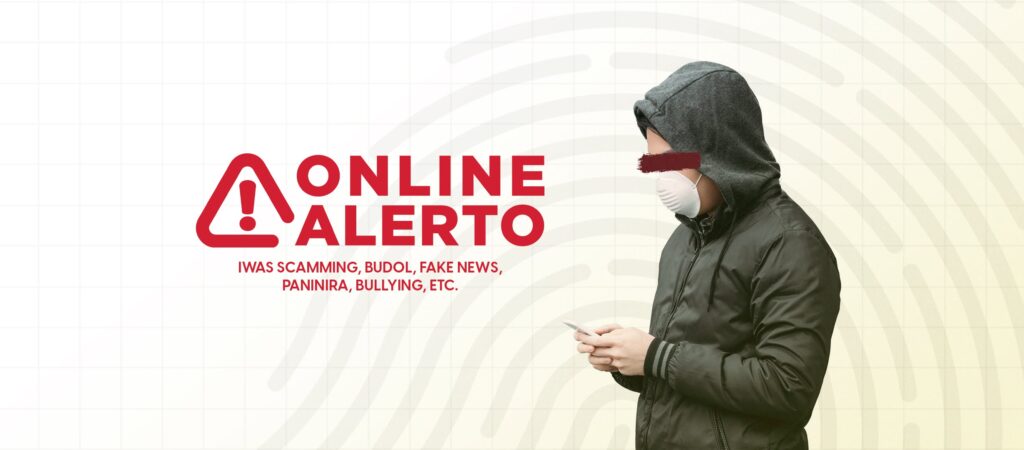
However, this same technology is being used by scammers to create highly sophisticated fraud. Data indicates that fake phishing sites in the Philippines have increased by 423%, highlighting a growing need for digital vigilance.
How AI is Changing the Scam Landscape
Scammers now use AI to move beyond basic phishing emails. They are employing advanced techniques that are increasingly difficult to detect:
- Deepfakes and Manipulated Media: Scammers create realistic videos or images of people to spread misinformation or solicit funds
- Voice Cloning: AI can replicate a person’s voice to impersonate relatives or friends in distress, making phone scams more convincing
- Personalized Phishing: AI allows for the generation of highly personalized messages and fake customer service interactions designed to gain a victim’s trust. These can look well-written and very professional.
Practical Steps to Identify AI Scams
To stay protected, digital users should look for specific red flags and adopt verification habits:
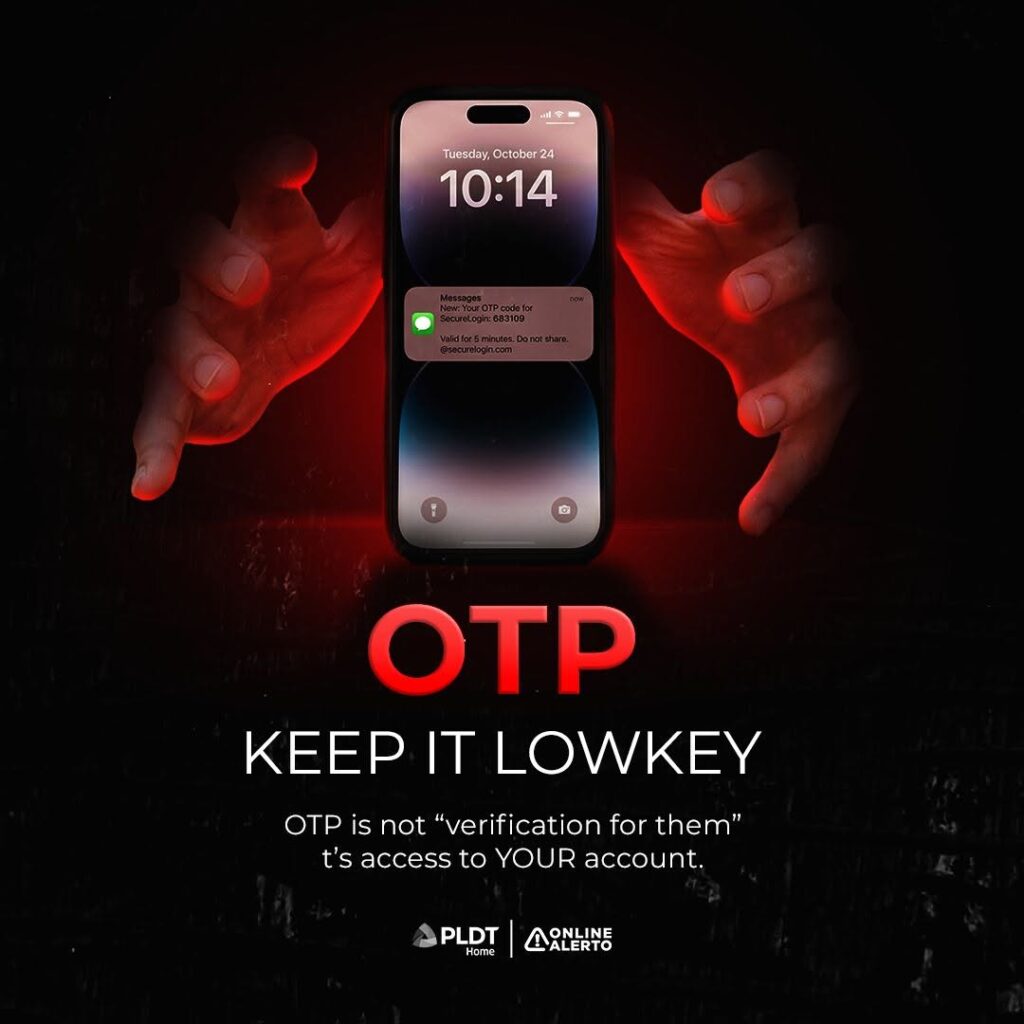
- Watch for Urgency: Scammers often use fear or pressure to force immediate action. Be skeptical of messages that demand quick financial decisions or personal information.
- Verify the Source: If you receive a suspicious message from a known contact or brand, verify it through a different, official channel before responding.
- Protect Personal Data: Avoid sharing sensitive information with unverified sources, even if the interaction seems legitimate.
- Check for Inconsistencies: While AI is improving, deepfakes or cloned voices may still have subtle glitches or unnatural patterns.
- Pause Before You Act: If a message pressures you to respond immediately, stop and verify the request through another trusted communication channel.

Building a Safer Digital Community
Staying informed is the most effective defense against evolving cyber threats. Through Online Alerto, PLDT Home helps Filipino families build safer digital habits by sharing timely guidance on emerging cyber threats, responsible technology use, and practical ways to recognize online scams.
Online Alerto serves as a resource where Filipino families can learn about emerging threats and share practical tips for navigating the digital world. Members are also encouraged to share their own experiences within the community so others can learn from what they went through. This includes sharing the scams they encountered, how it happened, and the lessons they learned. By exchanging real stories, families can help one another spot warning signs earlier and respond more confidently the next time a scam attempt comes their way.
AI will continue to transform how people work, learn, and communicate. By staying informed, verifying information before taking action, and practicing good digital habits, Filipino families can enjoy the benefits of AI with greater confidence and security.

Stay Informed!
Join the PLDT Home Online Alerto community to stay up to date on the latest digital safety trends and protect your family in an AI-driven world.